SORTED Explainer animation
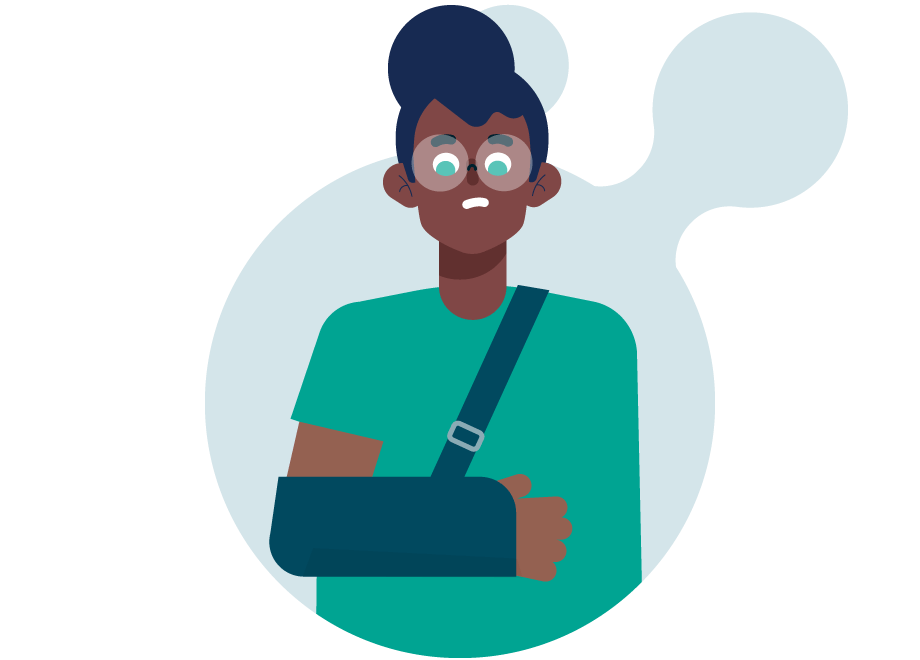
A shoulder dislocation happens when the top of the arm bone comes out of the shoulder joint, usually occurring when playing sports.
After the arm bone is re-positioned, two main treatments help stop the shoulder from dislocating again in the future; using physiotherapy alone, or by having keyhole surgery followed by physiotherapy.
Both treatments are used in the UK, but it’s not clear which works best for young people.
Physiotherapy involves an appointment to provide advice on specific exercises to help stabilise the shoulder.
Surgery involves a keyhole operation to help fix any damaged tissue inside the shoulder.
Most people have a general anaesthetic and go home the same day.
After surgery an appointment will be made with a physiotherapist to advise on specific exercises to help to stabilise the shoulder.
Surgery may reduce the chance of another dislocation in the future.
However, there is usually a waiting time meaning people start their recovery later and all surgery carries some risks, such as infection.
Physiotherapy avoids these risks and people can start their recovery sooner.
However, if the shoulder dislocates again, surgery may still be needed.
The aim of the SORTED study is to find out which treatment is best.
Around 270 people from over 20 NHS hospitals will take part.
Half will receive physiotherapy alone, and half will receive surgery followed by physiotherapy.
A process called randomisation will be used to decide which treatment participants receive.
This means each person has an equal chance of being placed in either group, to make a fair comparison.
To understand how well participants recover, they will be asked how their shoulder feels and if they have returned to their usual activities.
They will also be asked if they have experienced any complications, such as the shoulder dislocating again.
These questions will be asked on five occasions, at regular intervals up to 15 months after joining.
The questions will take about 15 minutes to complete.
Answers can be entered onto a secure website, written in a booklet that is sent through the post or completed over the phone.
It is very important to receive answers from everyone, because missing answers, will affect the quality of the results.
Five years after joining, we will check NHS records to see if anyone has had another shoulder dislocation or needed any other treatments.
At the end of the study, everybody’s answers will be combined to find out which treatment is best for young people.
For more information, please visit the study website or contact the SORTED team.